Two sofas can look identical in a showroom photograph and be twenty years apart in how they age. The difference is never the fabric. It is the frame underneath it, the way the joints were cut, how the tufting was set, and what happened to the carved details after the machine was switched off. This guide breaks down those four layers — the same four we work through on every classic sofa we build.
None of it is visible from the doorway, which is exactly why it is worth asking about. A classic sofa is one of the few pieces of furniture bought once and lived with daily, so the parts you cannot see are the parts that decide whether it still reads well after a decade of use.
A classic sofa starts as kiln-dried hardwood — selected for straight grain and low movement, not for price. Softwood offcuts cut costs and then twist: the frame racks, the seat develops a hollow, and no amount of re-webbing fixes it. We dry to a stable moisture content before a single cut is made, because wood that is still moving when it is joined will move again after it is upholstered.
The frame also has to be built for the load path. Weight travels from the seat platform into the front rail, down the legs and out into the floor. Where any one of those links is under-built, the sofa announces it as a creak long before anything fails visibly.
Corner blocks and screws hold a sofa together for a few years. Cut-and-fitted joints hold it for thirty. Dowels, mortise-and-tenon and half-lap joints are cut to fit, glued and clamped — each one a hand operation, each one a place where a shortcut would be invisible until it wasn't.
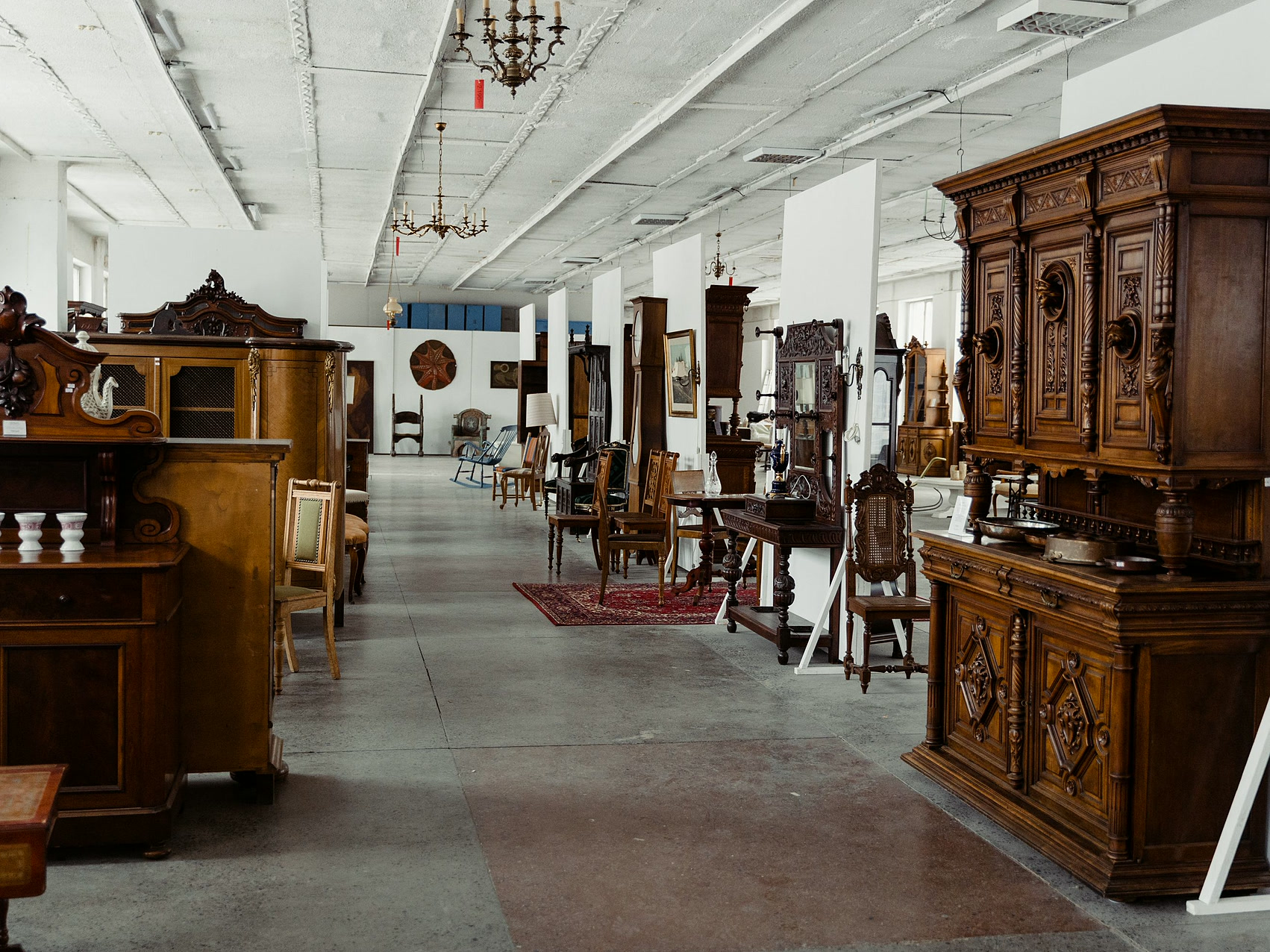
On a carved frame, the shape comes off a machine and the character comes off a bench. Carved legs, crest rails and aprons are cleaned up by hand: undercuts deepened, edges softened, the tool marks of mass production removed. Then the piece is sanded through progressively finer grits and finished — stained, sealed and lacquered — until the carved detail reads the same in raking light as it does straight on.
Raking light is the honest test. Walk past a carved frame at a low angle: on a good piece the highlights and shadows stay continuous across the whole run of the carving, because the depth was worked consistently. Where they break up, the shape was cut but never cleaned.
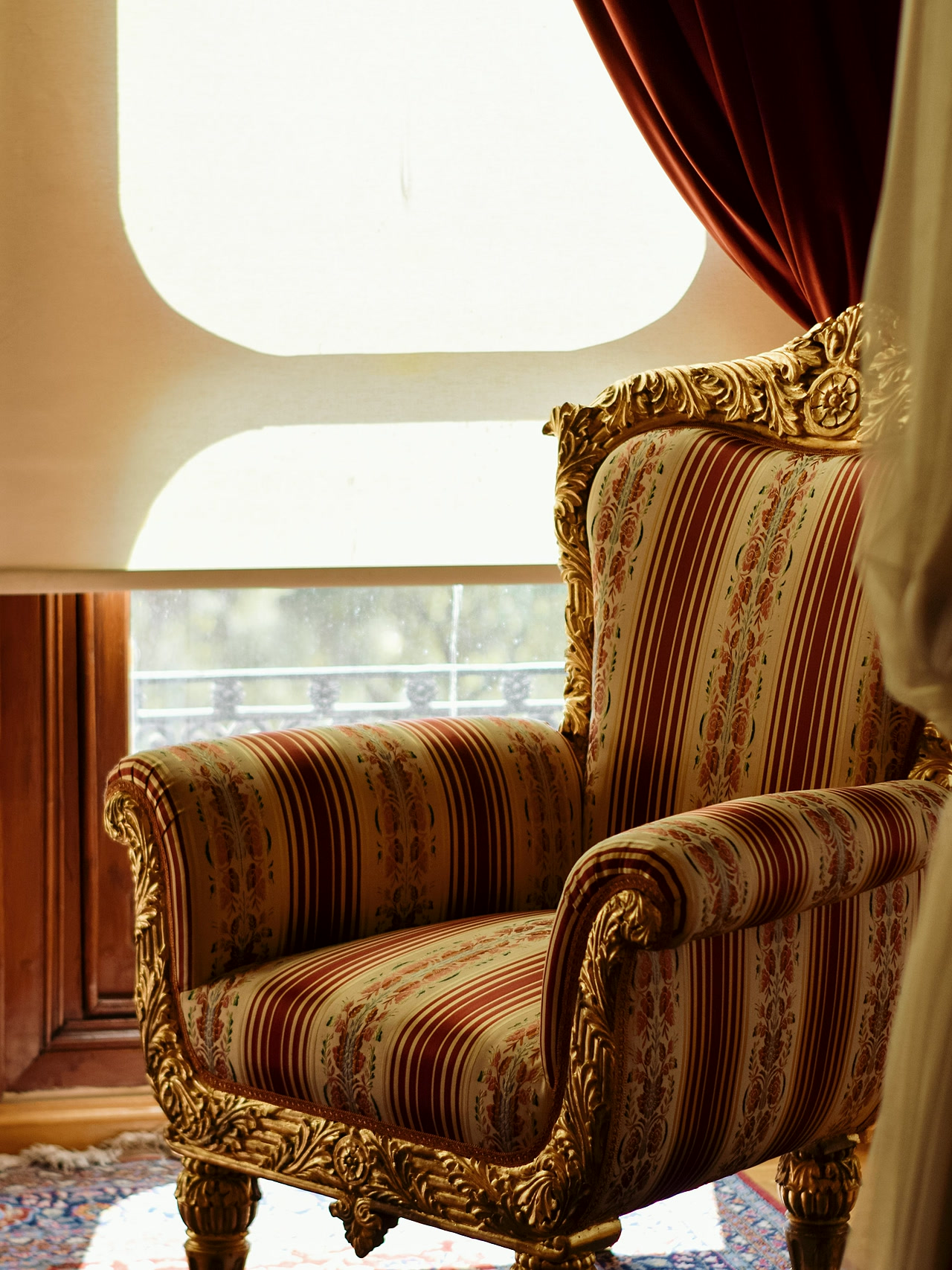
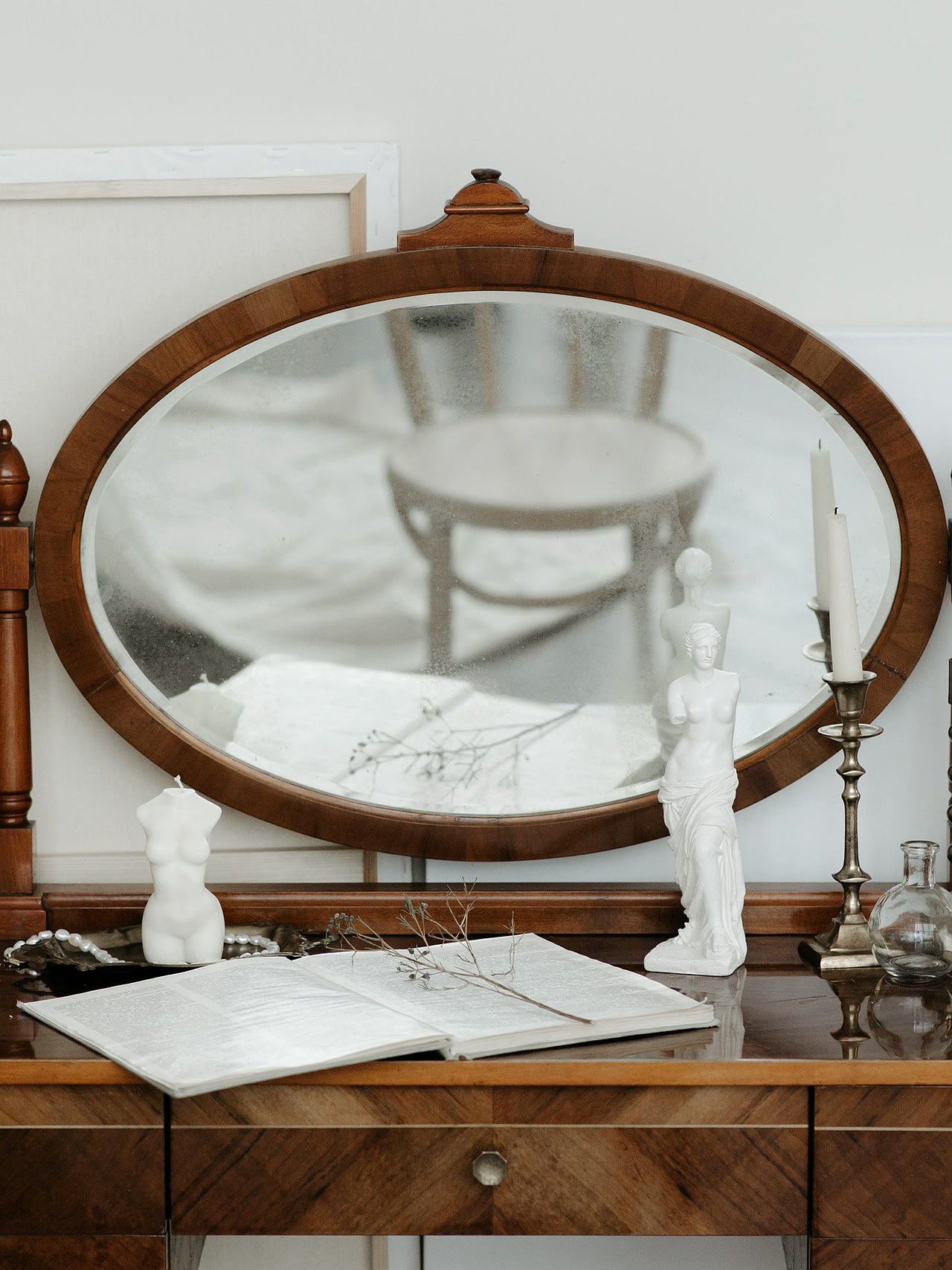
Diamond tufting is stitched by hand, one line at a time, then buttoned by hand so the depth stays even across a whole back panel. This is the step that separates a tufted sofa from a printed one: a printed pattern is flat and permanent; a hand-stitched diamond gathers the fabric and holds shadows.
The order matters as much as the technique. The form of the frame is set first and the fabric is stretched and fixed afterwards, so the seams stay even and the corners stay crisp once the cushions compress under use.
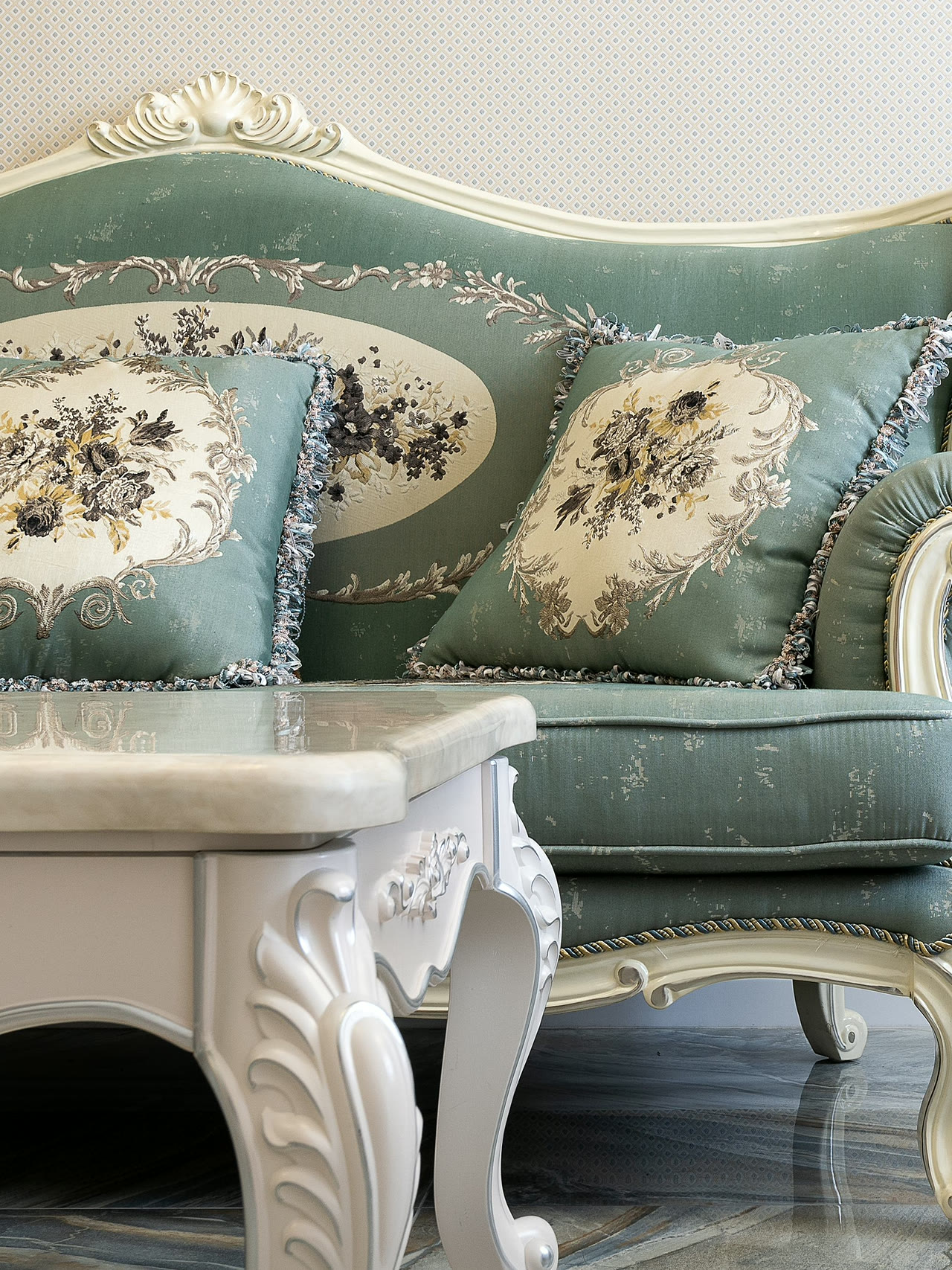
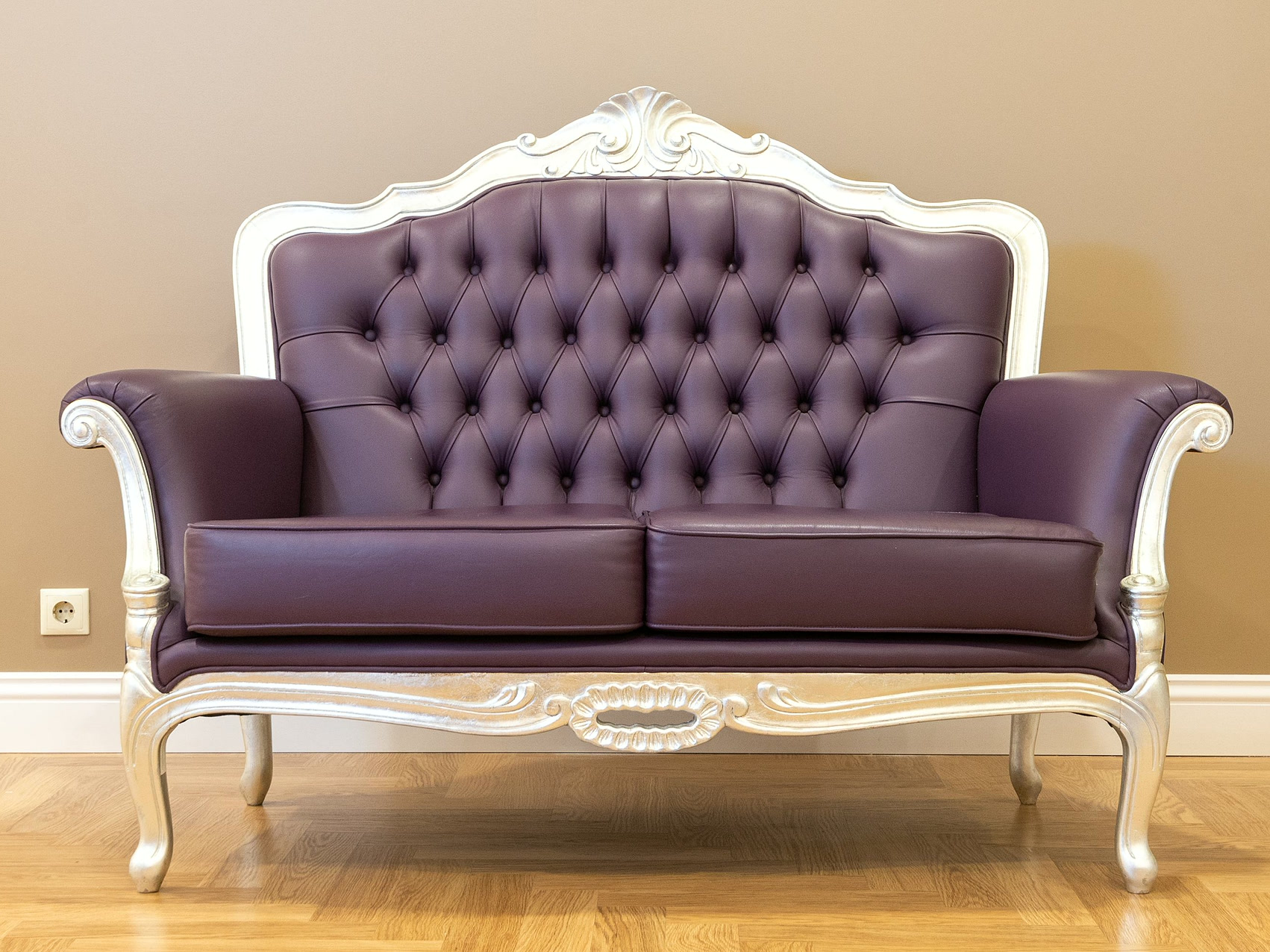
A classic sofa that is wrong for the room is wrong no matter how well it is built. Three numbers decide it:
If your room is between sizes, build to the room rather than to a stock size — a customized frame costs less than living with the wrong one.
A carved sofa is the loudest piece in most rooms, so let it be the only one. Keep the coffee table low and quiet so the carving reads against it, repeat one material from the sofa elsewhere in the room (the wood tone, or the brass of the tufting buttons), and keep patterned textiles to a single accent.
Scale is the other half of the decision. A carved frame needs air around it: if the sofa runs wall to wall, the carving stops reading as detail and starts reading as clutter, and the room loses the one thing the piece was chosen for.
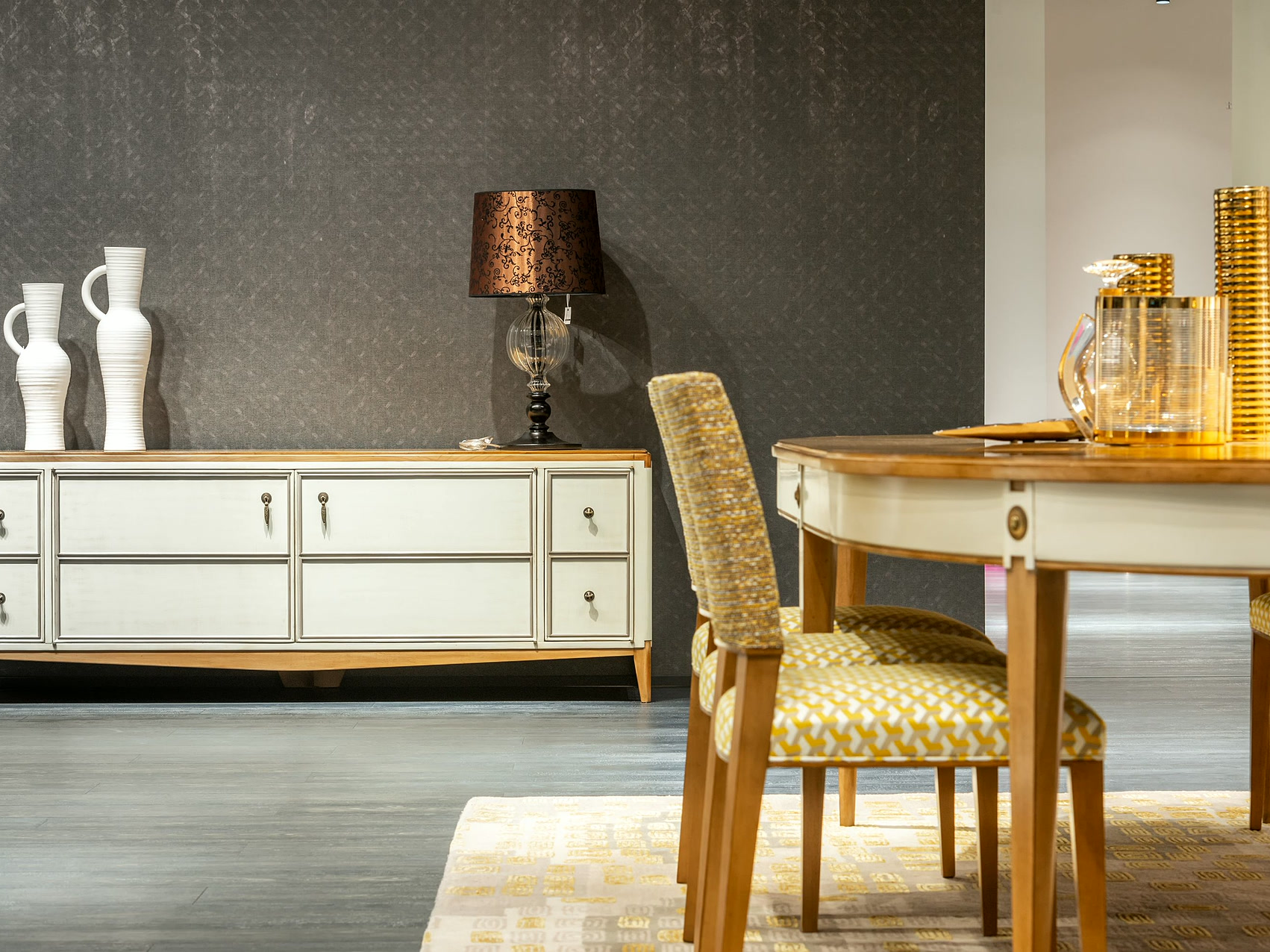
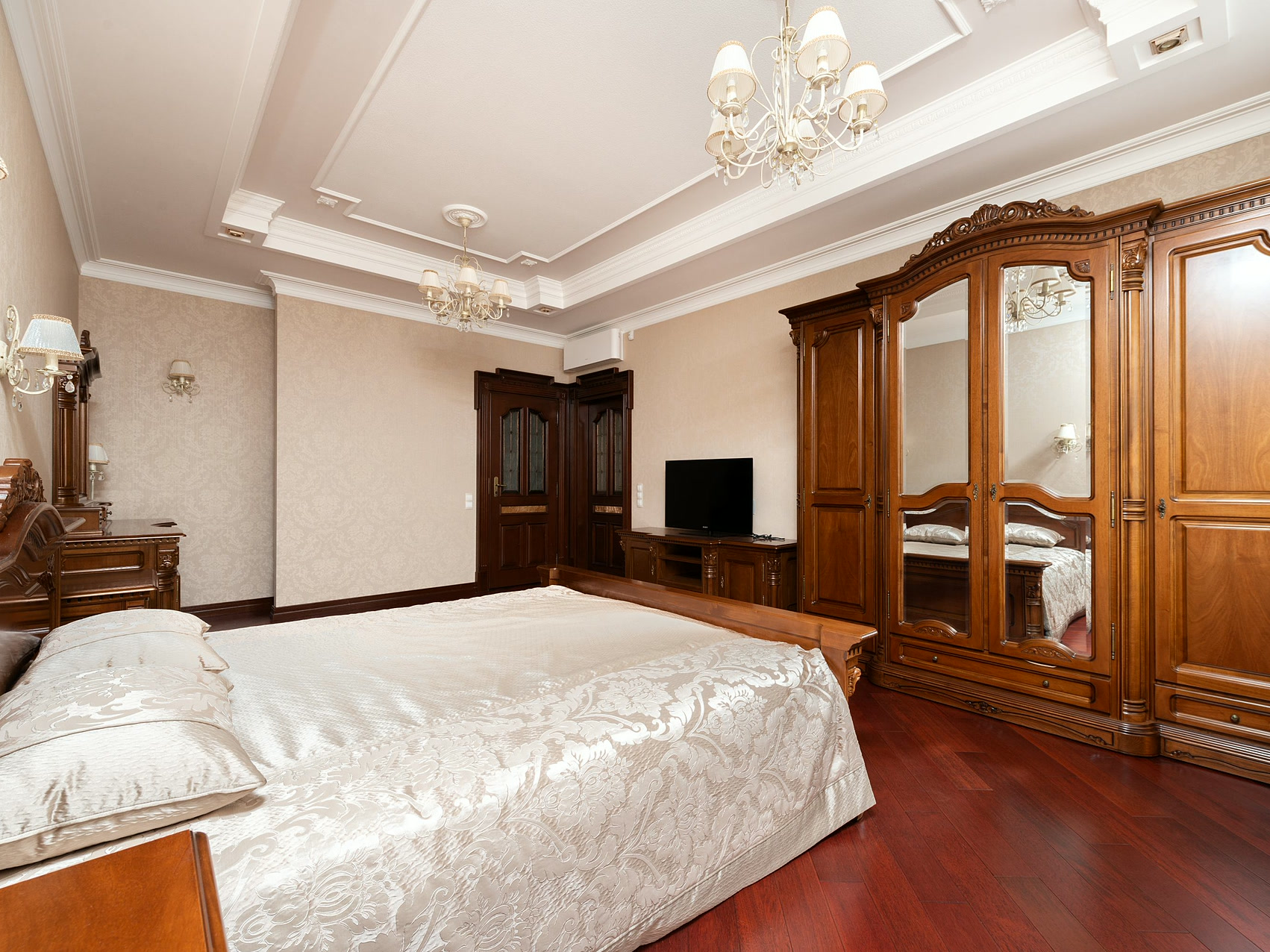
Send us a drawing, a reference image, or simply the room's dimensions and the look you want. We produce frame, carving, upholstery and finish in one factory, so the wood tone on the legs matches the wood tone on the table beside it, and the carving can be scaled to the piece rather than bought in. Heavy items are crated for shipping worldwide.
Tell us the room and the look, and we will come back with a specification you can check line by line.
Contact EKAR FURNITURE.